In 1965, Larry Itliong was leading the majority Filipino union Agricultural Workers Organizing Committee (AWOC) when AWOC voted to strike against grape growers in Delano. At that time, farmworkers in California faced dangerous and degrading conditions in the fields. Employers could arbitrarily deny rest periods or access to drinking water. [1] Farmworkers also suffered from health issues due to pesticide exposure.[2]
Growers had a history of using workers of one ethnicity to break strikes by workers of another ethnicity. Itliong contacted the National Farm Workers Association (NFWA), which had been organizing Mexican workers in Delano.[3] AWOC invited the NFWA to join the strike. NFWA leadership was hesitant because they did not think that NFWA had the financial resources to strike at that time. They sent Gilbert Padilla to learn more.[4] Padilla and Dolores Huerta presented the issue to more than 1200 NFWA members for a vote. The NFWA members voted to join the strike. Strikers shared the same union hall and strike kitchen at the Filipino Community Hall.[5]
In 1966, AWOC and NFWA merged into the United Farm Workers Organizing Committee (UFWOC), with both Filipinos and Mexican Americans represented in leadership. The strike would grow to 5,000 strikers over 5 years. Hundreds of grape strikers shared their stories around the U.S. and Canada, putting a human face on the grape boycott. By 1970, table grape growers signed their first union contracts which gave workers benefits, better pay, and banned the use of DDT before it was banned nationally.[6]
Larry Itliong
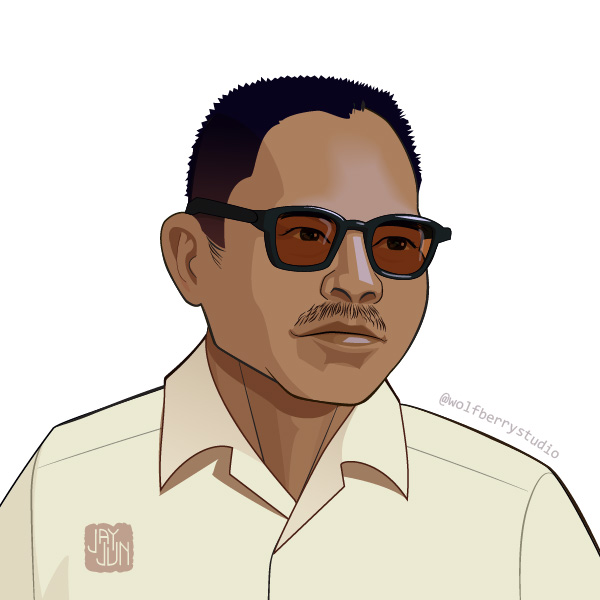
Larry Itliong (1913-1977) was born in San Nicolas, Pangasinan Province, Philippines. He came to the U.S. in his mid-teens, with dreams of studying to be a lawyer, only to find that Filipinos were barred from practicing law.[7] Itliong became a migrant worker moving between farming and cannery jobs in different western states during a time of violent anti-Filipino sentiment.[8] After losing 3 fingers in a work accident in an Alaskan cannery, he received the nickname “7 Fingers”. [9]
Larry Itliong settled in Stockton, CA after serving in the U.S. Army during WWII. In 1956, he founded the Filipino Farm Labor Union. An experienced organizer, he also recruited more than a thousand new members for the AFL-CIO affiliate AWOC. [10]
In May 1965, Itliong helped to organize a successful strike of Filipino workers in Coachella. He maintained communication with Dolores Huerta, a former AWOC secretary/treasurer and AWOC founding member who was now a leader in the NFWA.
In September 1965, AWOC sent its organizers Itliong and Ben Gines to Delano, where their members had voted to strike against grape growers.[11] More than 1,500 Filipino grape workers walked out of the vineyards on September 7. Itliong appealed to the predominantly Mexican NFWA to join the strike. 8 days later, Mexican grape workers joined the Filipinos in the historic strike.
In 2015, the State of California declared October 25 as “Larry Itliong Day”[12] in honor of his contributions as one of the “fathers of the West Coast labor movement.”
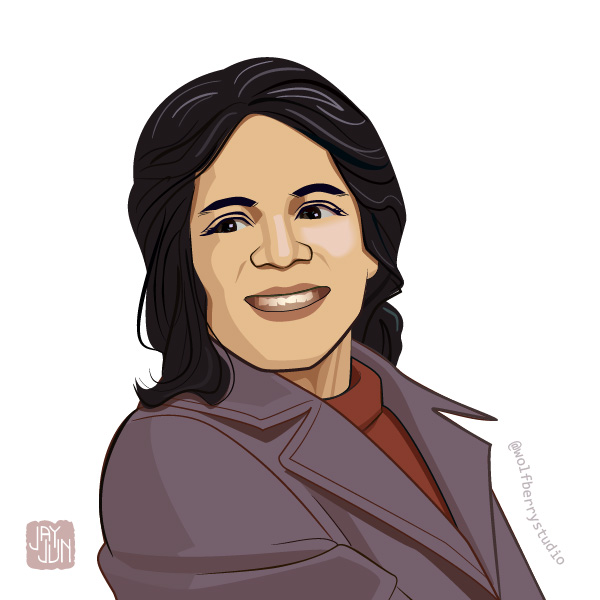
Dolores Huerta
Dolores Huerta (1930-) was born in Dawson, NM, to a farmworker and miner father and a businesswoman mother. In 1933, following her parents’ divorce, Huerta moved with her mother to Stockton, CA. In 1955, she co-founded the Stockton chapter of the Community Service Organization (CSO),[13] distinguishing herself as an organizer of voter registration drives and a lobbyist for farm workers’ rights at the state legislature.[14]
In 1962, Huerta left CSO to start the National Farm Workers Association (NFWA) with some CSO colleagues. In 1966, she made history when she negotiated the union’s contract with Schenley Industries, a liquor company, the first contract between an agribusiness and a farmworker union. [15]
When the Delano Grape Strike started in 1965, Huerta served as the lead negotiator in discussions with 26 grape growing corporations and farmers. Seeing that growers would rather bring in strikebreakers from other states than negotiate with the strikers, the union decided to pursue the strategy of boycotting California grapes nationally while continuing to strike. Huerta directed the grape boycott on the East Coast, building relationships with small stores in NYC before targeting supermarkets. Huerta found supporters of the boycott in Black and Puerto Rican communities. Eventually, grocery stores joined the boycott.
Huerta, whose inspiration slogan “Sí, se puede” (“Yes, it is possible”) became a rallying cry for generations of activists after, served as vice president of United Farm Workers (UFW) until 1999. She was honored with the Eleanor Roosevelt Human Rights Award in 1998 and the Presidential Medal of Freedom in 2012. Huerta continues to train grassroots organizers through the Dolores Huerta Foundation.
Gilbert Padilla
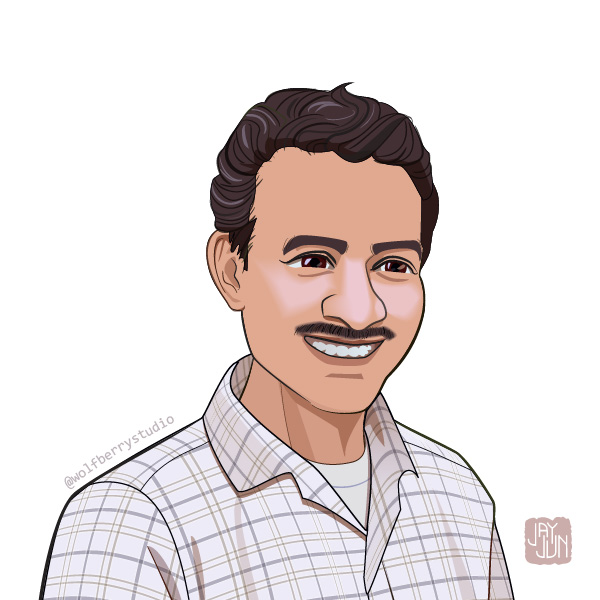
Gilbert Padilla (1927-) was born in a labor camp in Los Baños, CA[16] to parents who fled the conflict zones of the Mexican Revolution.[17] As a child, he picked cotton in the field with his father and eight siblings. After serving in the Army during WWII, Padilla returned to his hometown where he found work in the cleaning business. He later moved to Hanford, CA where he was hired as an organizer with the Latine civil rights advocacy association Community Service Organization (CSO) in 1960. There, he secured a grant to study housing conditions for local farmworkers. In 1962, Padilla and fellow CSO organizer Dolores Huerta became founding members of the National Farm Workers Association (NFWA).
In 1965, NFWA joined AWOC in the Delano Grape Strike. In 1966, there was a 340-mile peregrinación of strikers and supporters from Delano to Sacramento after one of largest grape growers sprayed pesticides on striking farm workers. The 25-day pilgrimage raised awareness about the suffering of the farmworkerst.[18] By the time the marchers reached Stockton, they had grown from 70 to 1500. When marchers were just 45 miles from the Capitol, the vineyard that sprayed the workers with pesticides called Padilla to say that they were willing to negotiate a union contract.[19]
In 1967, the UFW sent Padilla to Texas to organize boycott committees. The Texas Rangers obstructed labor organizers with many frivolous arrests that resulted in no convictions. Like others, Padilla was arrested and jailed.[20] The UFW was part of a lawsuit against the Texas Rangers in that was filed in 1968 and won 5 years later. In 1973, Padilla was elected secretary-general of the UFW.
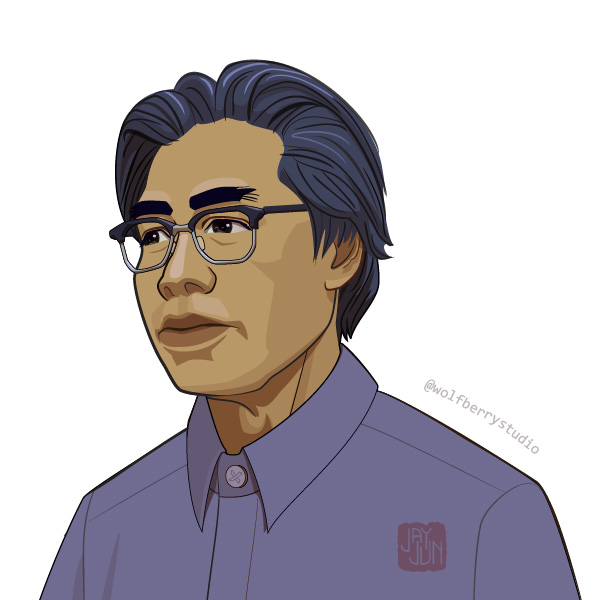
Philip Vera Cruz
Philip Vera Cruz (1904-1994) was born in Saoang, San Juan, Ilocos Sur, Philippines where he herded water buffaloes as a child.[21] When he was 22 years old, he moved to the United States, working at various jobs before becoming a farm worker in California. In 1948, Cruz took part in the Stockton asparagus strike organized by Larry Itliong and other Filipino labor leaders.[22] 4,000 Filipino farmworkers walked off the asparagus fields and successfully negotiated a pay raise.
In 1965, Philip Vera Cruz joined the Agricultural Workers Organizing Committee (AWOC).[23] He would take a leadership role in the Delano Grape Strike which lasted for the next 5 years. When AWOC merged with the predominantly Mexican NFWA to form the United Farm Workers Organizing Committee, Cruz served as a liaison between Filipino workers and strike leaders. [24] In 1971, Cruz became the highest-ranking Filipino officer in the United Farm Workers (UFW) when he was elected as second vice-president.[25]
Philip Vera Cruz chaired a committee to build a retirement village for older Filipino farmworkers who had no family in the U.S. and no housing after being evicted from farm labor camps during the grape strike. The Paulo Agbayani Retirement Village was completed in 1974 and named after a Filipino worker who died of a heart attack on the picket line.[26] In 1987, the government of the Philippines presented Cruz with the Ninoy M. Aquino Award.[27]
References:
[1] Farm Working Conditions in 1960s California, Facing History & Ourselves, https://www.facinghistory.org/resource-library/farm-working-conditions-1960s-california, Accessed 24 Dec. 2025.
[2] Gross, Lisa, California Farmworker Communities Win the Right to Be Notified of Pesticide Applications in Advance, Inside Climate News. 26 Mar. 2025. https://insideclimatenews.org/news/26032025/california-farmworkes-notifice-of-pesticide-applications/, Accessed 24 Dec. 2025.
[3] Arguelles, Dennis, “Remembering the Manongs and Story of the Filipino Farm Worker Movement“, National Parks Conservation Association. 25. May 2017. https://www.npca.org/articles/1555-remembering-the-manongs-and-story-of-the-filipino-farm-worker-movement. Accessed 24 Dec. 2025.
[4] Garcia, Paul A., Gilbert Padilla is a co-founder of United Farm Workers union, Fresno Bee, 24 Jan. 2023. https://www.fresnobee.com/opinion/readers-opinion/article271581202.html. Accessed 24 Mar. 2026.
[5] Filipino Community Hall, U.S. National Park Service, https://www.nps.gov/places/000/filipino-hall.htm, Accessed 24 Dec. 2025.
[6] Farm Workers on the Front Lines, CorpWatch, 31 Mar. 1997, https://www.corpwatch.org/article/farm-workers-front-lines, Accessed 24 Dec. 2025.
[7] Module 2: Larry Itliong. Foundations and Futures, UCLA Asian American Studies Center. https://www.foundationsandfutures.org/chapter/labor-activism-of-filipino-farmworkers/module-2-larry-itliong/. Accessed 24 Dec. 2025.
[8] Larry Itliong, U.S. National Park Service. https://www.nps.gov/people/larry-itliong.htm. Accessed 24 Dec. 2025.
[9] Larry Itliong: Fil-Am Agricultural Labor Organizer, The Kahimyang Project, https://kahimyang.com/kauswagan/articles/2836/today-in-philippine-history-october-25-1913-larry-itliong-a-filipino-american-agricultural-labor-organizer-in-california-was-born-in-san-nicolas-pangasinan. Accessed 24 Dec. 2025.
[10] Romasanta, Gayle, Why It Is Important to Know the Story of Filipino-American Larry Itliong, Smithsonian Magazine, 24 Jul. 2019. https://www.smithsonianmag.com/smithsonian-institution/why-it-is-important-know-story-filipino-american-larry-itliong-180972696/. Accessed 24 Dec. 2025.
[11] Workers United: The Delano Grape Strike and Boycott, U.S. National Park Service, https://www.nps.gov/articles/000/workers-united-the-delano-grape-strike-and-boycott.htm, Accessed 24 Dec. 2025.
[12] Sherman, Jocelyn, Farm worker movement marks Larry D. Itliong Day, UFW, 25 Oct 2025. https://ufw.org/larryitliongday2024/. Accessed 24 Dec. 2025.
[13] Michals, Debra, Dolores Huerta Biography, National Women’s History Museum. 2015. https://www.womenshistory.org/education-resources/biographies/dolores-huerta, Accessed 24 Dec. 2025.
[14] Román, Iván, How Dolores Huerta Became an Icon of the Labor Movement, HISTORY.com , 13. May. 2023. https://www.history.com/articles/dolores-huerta-cesar-chavez-farm-workers. Accessed 24 Dec. 2025.
[15] People: Dolores Huerta – Farmworker Movement CSUN University Library, Tom & Ethel Bradley Center. https://farmworkermovement-csun.org/dolores-huerta/. Accessed 24 Dec. 2025.
[16] People: Gilbert Padilla – Farmworker Movement, CSUN University Library, Tom & Ethel Bradley Center. https://farmworkermovement-csun.org/gilbert-padilla-2. Accessed 24 Mar. 2026.
[17] Gilbert Padilla, Chicano Legacy of Fresno County. https://chicanolegacy.com/gilbert-padilla/. Accessed 24 Mar. 2026.
[18] The Road to Sacramento: Marching for Justice in the Fields – Labor History, U.S. National Park Service. https://www.nps.gov/subjects/labor/the-road-to-sacramento-marching-for-justice-in-the-fields.htm. Accessed 24 Dec. 2025.
[19] Garcia, Paul A., Gilbert Padilla is a co-founder of United Farm Workers union, Fresno Bee, 24 Jan. 2023. https://www.fresnobee.com/opinion/readers-opinion/article271581202.html. Accessed 24 Mar. 2026.
[20] Padilla, Gilbert. Gilbert Padilla 1962- 1980, UC San Diego Library. https://libraries.ucsd.edu/. Accessed 24 Mar. 2026.
[21] Philip Vera Cruz, U.S. National Park Service. https://www.nps.gov/people/philip-vera-cruz.htm. Accessed 24 Dec. 2025.
[22] Larry Itliong: Fil-Am Agricultural Labor Organizer, The Kahimyang Project, https://kahimyang.com/kauswagan/articles/2836/today-in-philippine-history-october-25-1913-larry-itliong-a-filipino-american-agricultural-labor-organizer-in-california-was-born-in-san-nicolas-pangasinan, Accessed 24 Dec. 2025.
[23] People: Philip Vera Cruz – Farmworker Movement, CSUN University Library, Tom & Ethel Bradley Center. https://farmworkermovement-csun.org/philip_vera_cruz/. Accessed 24 Dec. 2025.
[24] 3. Unified Coalition: UFWOC · Inter-racial Labor Solidarity, Welga Archive – Bulosan Center for Filipino Studies. https://welgadigitalarchive.omeka.net/exhibits/show/interraciallabor/ufwoc–unity-achieved. Accessed 24 Dec. 2025.
[25] Wong, Kent. United Farm Workers (UFW) Movement: Philip Vera Cruz, Unsung Hero, UCLA Asian American Studies Center. https://www.aasc.ucla.edu/resources/untoldstories/UCRS_Philip_Vera_Cruz_r2.pdf. Accessed 24 Dec. 2025.
[26] Agbayani Village Dedication – Farmworker Movement , CSUN University Library, Tom & Ethel Bradley Center. https://farmworkermovement-csun.org/agbayani-village-dedication. Accessed 24 Dec. 2025.
[27] Walter P. Reuther Library Philip Vera Cruz Papers, Walter P. Reuther Library, Archives of Labor and Urban Affairs, Wayne State University. https://reuther.wayne.edu/node/6833. Accessed 24 Dec. 2025.